
Synesius of Cyrene and Hypatia of Alexandria: The Patristic Canon, Classical Paideia and Philhellenism – Ron Dart
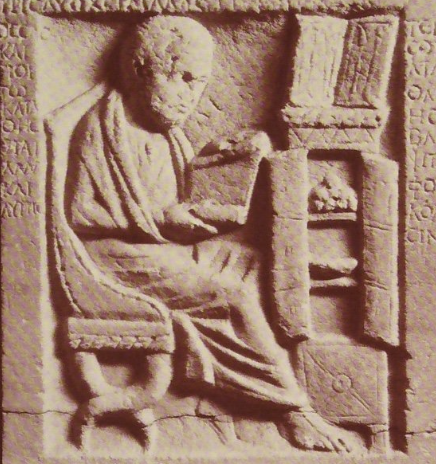
Synesius of Cyrene

Hypatia
From Darkness, Comes Light – A Poetic Response to Dante’s Inferno by Luke Schulz
From Darkness, Comes Light -or- How I Learned to Love My Fate A personal, poetic response to Dante’s Inferno By: Luke Schulz This poem is written as a personal reflection on the relationship between Virgil and Dante I could never hope to approach the grandeur of The...
Review of Martens & Niskanen’s “The Transcendental Mystery of God’s Word” – by Ron Dart
John W. Martens and Paul V. Niskanen (eds.), The Transcendent Mystery of God’s Word: A Critical Synthesis of Antioch and Alexandria (Saint Paul Seminary Press, 2024). There has been, in the history of Christian exegesis, at one level, a consistent yet unhelpful...
The Free Gift of the Free God – Steve Robinson
"The wages of sin is death, but the free gift of God is eternal life in Christ Jesus our Lord." Romans 6:2 It's amazing how a pre-conceived "framework" constrains how you understand a piece of text. For example, 2x4 is either 8 or a piece of...
Compassion Not Criminalization: The Chronic Misunderstanding of Drug Addiction – Madeleine Canlis
We are gravely misunderstanding addiction, and that the solution to this crisis lies not in increased punishment but in compassion and trauma-informed care.
New Release: Philemon of Gaza Meditates Luke’s Gospel
New Release: Philemon of Gaza Meditates Luke's Gospel "Turning the the other cheek is not enough: Luke 6:27-38" The People's Seminary is delighted to announce the publication of the first English translation of 6th Century Philemon of...
DOES THE BIBLE REVEAL A GOD WHO KILLS? Richard Murray
DOES THE BIBLE REVEAL A GOD WHO KILLS? Rather than starting from the Old Testament and working forward, we need to start from the more illuminated New Testament and work backward. This really has more to do with us a better recognizing the New Covenant...
DOES THE BIBLE REVEAL A GOD WHO KILLS? Richard Murray
DOES THE BIBLE REVEAL A GOD WHO KILLS? Rather than starting from the Old Testament and working forward, we need to start from the more illuminated New Testament and work backward. This really has more to do with us a better recognizing the New Covenant...
When the Old & New Testaments *Literally* Clash – Richard Murray
What are we to do when the Old and New Testaments "appear" to LITERALLY clash in meaning? Here are a few examples. The New Testament says Satan is the destroyer who wields "the power of death," NOT God. Hebrews 2:14-15. The Old Testament, by...
Self-Effacement in Philemon of Gaza & Simone Weil – Ted Hill
Self-Effacement is not simply an action I control such as removal or withdrawal or destruction/eraser of self, it is recognizing what our presence does and how our removal also does something essential.
Homily on the Conscience – St. Dorotheos of Gaza
St. Dorotheos of Gaza "There are no ‘little things’" When God created man, he breathed into him something divine, as it were a hot and bright spark added to reason, which lit up the mind and showed him the difference between right and wrong. This is called...